Functions of Drilling Fluid
Drilling fluid serves several essential functions in drilling:
Transporting cuttings to the surface:
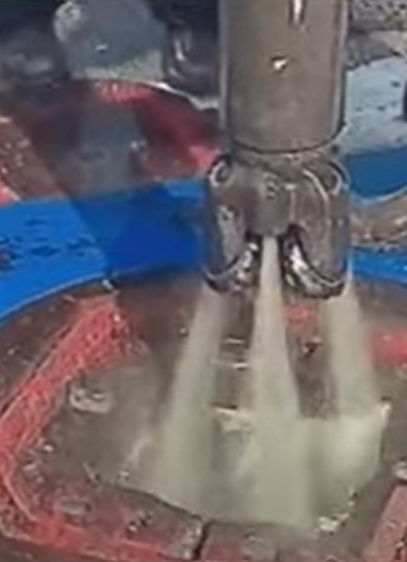
As the drill bit cuts downhole, small rock fragments accumulate at the bottom. Drilling fluid is continuously pumped down the hole through a drill string conduit. It lifts the drilled cuttings to the surface through the annular space between the drill string and the open hole, continuously cleaning the hole.
Cooling and lubricating:
The drilling process generates high frictional forces and heat. As the depth increases, the wellbore temperature also increases. The continuous circulation of drilling fluid helps reduce friction and cool down the wellbore. It also reduces torque and drag during rotation and tripping of the drill string. This also helps extend the life of various components in the drill string by preventing overheating and wear.
Preventing influx of formation fluid:
Reservoir formations in a well have fluid stored under pressure. As the drill bit penetrates, the formation fluid will enter the wellbore and flow to the surface due to the pressure differential. The drilling fluid exerts hydrostatic pressure in the wellbore. In static conditions, the hydrostatic pressure of the fluid column is equivalent to 0.052xρh, where ‘ρ’ is the mud weight in pounds per gallon (ppg) and ‘h’ is the height of the fluid column in feet. The mud weight is maintained so that the total hydrostatic head of the fluid column in the well exceeds the expected formation pressure by a safety margin, preventing the influx of formation fluid at any point during drilling.
Providing Well Stability:
The open-hole formations have built-in stresses due to the overburden pressure from the layers above and tectonic forces. While drilling, the open hole could collapse under these stresses, resulting in a stuck pipe or lost circulation. The hydrostatic head of the drilling fluid column offsets these formation stresses and provides well stability, preventing hole collapse.
Minimizing formation damage:
During well drilling, solid particles in the drilling fluid tend to invade the near-wellbore region, altering the permeability of the near-wellbore zone. This relative reduction in permeability, called formation damage, can adversely affect the well's productivity. A well-designed drilling fluid system with low solids, compatible salinity, and pH with a thin filter cake helps minimize formation damage.
Providing downhole information:
Drilling fluid lifts the drilled cuttings to the surface, providing vital downhole details on temperature, formation, lithology, porosity, and fluid content. It also helps in well logging, which measures the physical parameters of the formations downhole using specialized tools and sensors.